

The evolution of gambling tracing its roots through history
Ancient Beginnings of Gambling
The roots of gambling can be traced back to ancient civilizations where games of chance were deeply ingrained in cultural practices. Archaeological findings reveal that as far back as 2,300 B.C., the Chinese were using rudimentary forms of dice to engage in games that involved risk and reward. Similarly, the Greeks and Romans utilized various betting systems in athletic competitions and gladiatorial games, showing an early understanding of odds and chance. These ancient societies not only enjoyed gambling as a pastime but also associated it with luck, fate, and divine intervention. Today, platforms like Syndicate casino continue this tradition, offering diverse gaming experiences.
In ancient Rome, for instance, the popularity of gambling was such that it was commonly integrated into social gatherings. Public events like chariot races and gladiatorial battles featured betting, often on a grand scale. The Romans even had laws governing gambling to regulate activities, which underscores the significance of these games in their culture. Such historical perspectives reveal that gambling was a means of entertainment but also served to strengthen social bonds within communities.
As civilizations evolved, so did the games and the methods of gambling. The invention of playing cards in the 9th century in China marked a pivotal moment in gambling history, leading to a variety of games that would spread throughout Asia and eventually Europe. This diversification of gambling methods laid the foundation for what we now recognize as modern gaming experiences, where skill and strategy began to play a more significant role alongside chance.
The Rise of Formalized Gambling
The Middle Ages witnessed a transformation in gambling practices, with the establishment of formal gambling houses across Europe. The first known gambling house was created in Venice in 1638, setting a precedent for structured gambling environments. This period saw the introduction of various games, such as baccarat and roulette, which combined chance with player skill. The formalization of gambling not only catered to the wealthy elite but also made games more accessible to the general public, effectively democratizing the experience.
During this time, the concept of casinos began to emerge, reflecting a shift from informal gambling settings to organized venues. These establishments offered a controlled environment for gaming, complete with rules and regulations that enhanced the safety and security of players. The rise of casinos also coincided with significant advancements in technology, such as the printing press, which helped distribute information about gambling and the emergence of strategy books.
The popularity of gambling continued to grow, with new games and betting systems evolving. As the Enlightenment period unfolded, gambling became entwined with themes of rationality and probability, leading to a more analytical approach to risk-taking. This evolution in thought laid the groundwork for future developments in gambling, particularly in mathematical theories surrounding odds, which continue to influence gaming strategies today.
The Advent of Modern Gambling
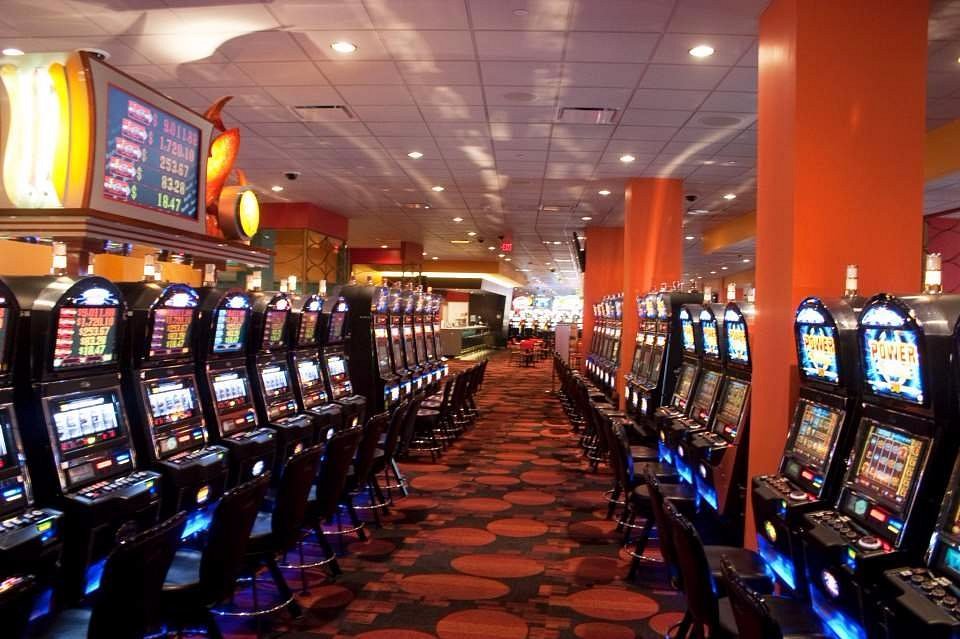
The 19th century marked a significant turning point in the evolution of gambling, largely driven by industrialization and urbanization. The establishment of legal gambling in places like Monaco and Nevada transformed the landscape, as more people sought entertainment and the thrill of winning. The introduction of slot machines in the late 1800s revolutionized the gambling industry by providing a new, easily accessible form of gaming that required little skill, making it popular among a broader audience.
The 20th century saw the proliferation of casinos, particularly in Las Vegas, which became synonymous with gambling and entertainment. This era brought about glitzy hotels and extravagant shows, creating an entire culture around gambling that thrived on the allure of chance and excitement. Additionally, the concept of online gambling began to emerge in the latter part of the century, setting the stage for a new era of gaming that would change how people engaged with gambling forever.
Modern gambling, characterized by state-regulated establishments and diverse gaming options, includes not only traditional games but also innovative technology-driven experiences. The introduction of online platforms allowed players to engage in gambling from the comfort of their homes, broadening the appeal of gambling to those who may not have visited traditional casinos. This evolution highlighted the adaptability of gambling practices to new technologies and societal changes.
The Digital Revolution in Gambling
With the rise of the internet in the late 20th century, the gambling industry underwent a seismic shift towards digital platforms. Online casinos began to emerge, offering players an extensive range of games with the convenience of accessing them from any location. The advent of this new format not only opened the door for increased participation but also allowed for innovative gaming experiences, including live dealer games that replicate the atmosphere of a physical casino.
The digital revolution also enabled the development of mobile gambling, allowing players to engage in gaming via smartphones and tablets. This shift has significantly influenced the gambling landscape, as it caters to the on-the-go lifestyle of modern society. Moreover, online casinos often provide extensive bonuses and promotions, which attract new players and retain existing ones, demonstrating how competition in the digital space enhances the overall gaming experience.
As technology continues to evolve, so does the gambling experience. The integration of artificial intelligence and virtual reality into online casinos is paving the way for more immersive and engaging environments, further blurring the lines between traditional and digital gambling. This transformation highlights the industry’s resilience and adaptability, ensuring that gambling remains a relevant and exciting form of entertainment in the contemporary world.

Gambling Today and the Future
Today, gambling encompasses a vast range of activities, from traditional land-based casinos to innovative online platforms. With billions in revenue generated annually, the industry shows no signs of slowing down. Regulatory frameworks are evolving to keep pace with new technologies, ensuring player protection while fostering a healthy gambling environment. This balance is essential as the industry seeks to attract a diverse audience while addressing potential issues associated with gambling addiction and responsible gaming.
Looking forward, the future of gambling is likely to be shaped by further advancements in technology. Cryptocurrency and blockchain technology are poised to disrupt traditional payment methods, offering greater transparency and security in online transactions. Additionally, the continued integration of gamification elements—such as rewards, challenges, and social features—into gaming experiences is expected to enhance player engagement and retention.
As the landscape of gambling evolves, platforms like Syndicate Casino exemplify the shift towards a more user-centric approach in the online gambling space. With a commitment to providing a secure and entertaining environment, these platforms cater to various preferences, ensuring a rewarding experience for all players. The evolution of gambling is a testament to its enduring appeal and adaptability to societal changes, promising an exciting future ahead.
